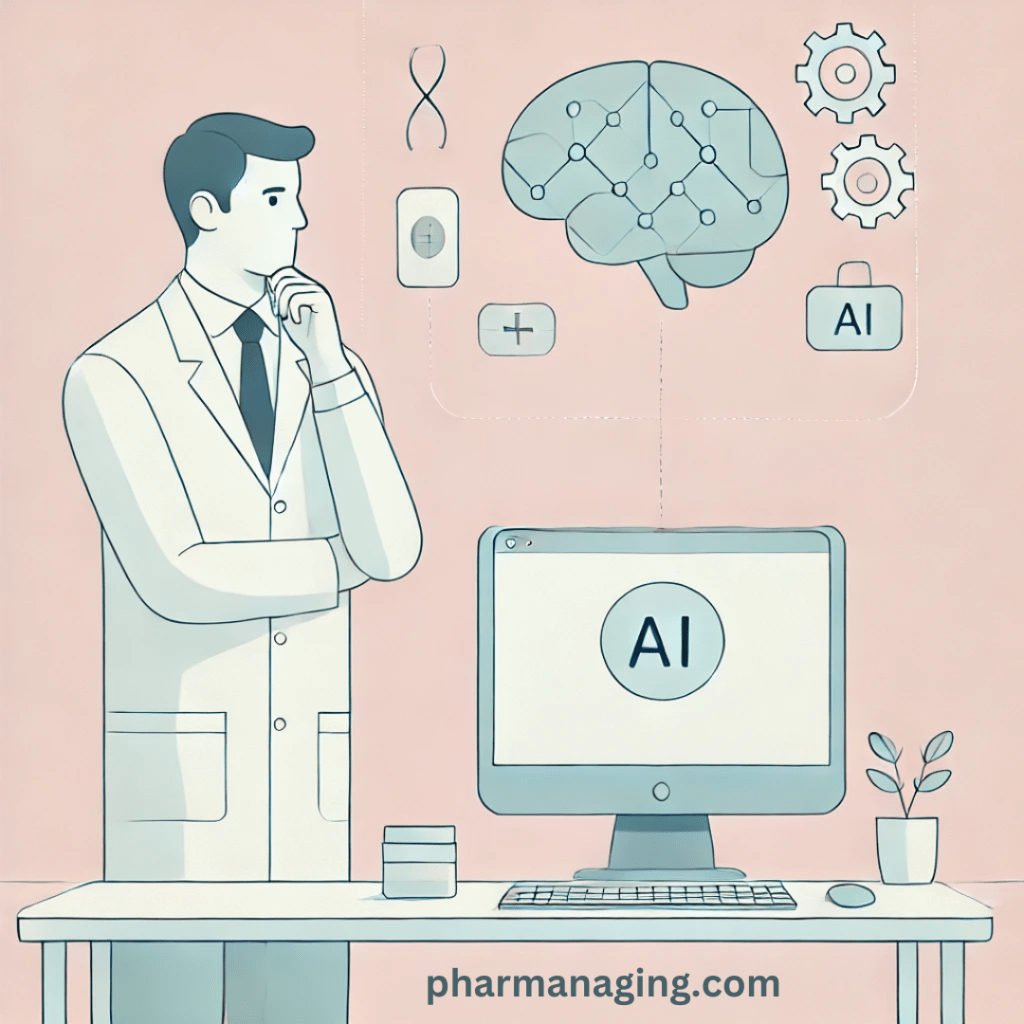
Welcome to Pharmanaging, a blog dedicated to empowering pharmacists and pharmacy professionals by providing valuable insights, tips, and lessons in effective pharmacy management. Today, we’re going to explore a topic that’s incredibly relevant in our fast-evolving industry: the intersection of human intelligence and artificial intelligence (AI) in pharmacy management. The modern pharmacist faces numerous challenges daily, from managing inventory and ensuring profitability to providing exceptional customer service. As AI becomes increasingly integrated into our profession, we must decide how to leverage this technology to our advantage. This is our journey to understand where to play and how to win.
The Modern Pharmacist’s Daily Struggles
I understand that you, as a pharmacist, juggle many responsibilities. You might be concerned with maintaining a steady revenue stream, dealing with unpredictable market changes, managing customer expectations, or navigating the complexities of over-the-counter (OTC) medication sales. Let’s not forget the constant battle with inventory shortages, profit margin reductions, high rental costs, staffing issues, and long working hours. These challenges can feel overwhelming, but you’re not alone in facing them.
Pharmacy management isn’t just about dispensing medication. It’s about creating a thriving business that supports your community’s health and well-being. However, the demands can sometimes feel like a high-wire act, balancing profitability with quality service.
Embracing Technological Advancements
Amidst these challenges, AI presents a significant opportunity. AI can revolutionize how we manage our pharmacies by automating routine tasks, analyzing vast amounts of data for insights, and enhancing customer service. But with this technology comes the critical question: where do we play and how do we win with AI?
Inventory Management
One of the most time-consuming tasks you face is inventory management. Ensuring you have the right products in stock, managing expirations, and keeping track of reorder levels can be daunting. AI can simplify this process through predictive analytics. By analyzing past sales data, seasonal trends, and current market conditions, AI can forecast demand more accurately, helping you maintain optimal stock levels. This not only reduces the risk of shortages but also minimizes overstocking, which ties up capital and storage space.
Imagine not having to manually count stock or worry about running out of crucial medications. AI can alert you when stock levels are low, suggest reorder quantities, and even automate the ordering process. This means you can spend more time focusing on your customers and less time on administrative tasks.
Enhancing Customer Service
Customer service is the heart of any successful pharmacy. You build relationships with your customers, understand their needs, and provide personalized advice. AI can enhance this aspect by providing tools like chatbots and virtual assistants. These tools can handle basic inquiries, freeing up your time for more complex interactions.
For example, AI-driven chatbots can answer common questions about medication availability, side effects, or dosage instructions, even outside of regular business hours. This ensures that your customers always have access to reliable information, enhancing their trust in your pharmacy.
Moreover, AI can analyze customer data to identify patterns and preferences, allowing you to tailor your services and promotions more effectively. Personalized recommendations based on purchase history and health profiles can significantly improve customer satisfaction and loyalty.
Financial Management and Profitability
Maintaining profitability in a pharmacy involves managing costs, optimizing pricing strategies, and maximizing revenue streams. AI can provide valuable insights into these areas by analyzing financial data and market trends. It can help identify underperforming products, suggest optimal pricing strategies, and highlight opportunities for cost reduction.
For instance, AI can analyze sales data to determine which products have the highest margins and suggest focusing on these items for promotions or shelf placement. It can also identify inefficiencies in your operations, such as high wastage rates or excessive labor costs, and recommend corrective actions.
Additionally, AI can assist in navigating the complexities of OTC medication sales. By analyzing customer preferences and purchasing behavior, AI can help you stock the right OTC products and optimize your pricing and promotional strategies.
Addressing Uncertainty and Market Fluctuations
The pharmaceutical industry is subject to various uncertainties, from regulatory changes and economic fluctuations to supply chain disruptions. AI can help mitigate these risks by providing real-time insights and predictive analytics. By staying informed about market trends and potential disruptions, you can make more informed decisions and adapt your strategies accordingly.
For example, AI can analyze data from various sources, including news reports, market analyses, and social media, to identify emerging trends or potential threats. This allows you to proactively adjust your inventory, pricing, and marketing strategies to stay ahead of the competition.
Staffing and Operational Efficiency
Managing a pharmacy also involves ensuring that you have the right staff with the right skills at the right time. AI can help optimize staffing levels by analyzing historical data and predicting peak times. This ensures that you have sufficient staff to handle busy periods without overstaffing during quieter times.
Moreover, AI can assist in training and development by identifying skill gaps and recommending personalized training programs. This helps ensure that your staff is well-equipped to provide excellent customer service and adapt to new technologies and processes.
Balancing Work and Life
Long working hours and the demands of running a pharmacy can take a toll on your well-being. AI can help alleviate some of this burden by automating routine tasks and providing decision support. This allows you to focus on strategic activities and personal development, improving your work-life balance and job satisfaction.
Overcoming Barriers to AI Adoption
While AI offers numerous benefits, integrating it into your pharmacy requires overcoming certain barriers. These include the cost of implementation, data privacy concerns, and the need for training and support. However, by taking a strategic approach and partnering with reliable technology providers, you can successfully navigate these challenges and unlock the full potential of AI.
Conclusion: Where to Play and How to Win
As a modern pharmacist, you have a choice. You can continue to manage your pharmacy the traditional way, juggling numerous tasks and facing constant challenges. Or you can embrace the possibilities offered by AI and transform your pharmacy into a more efficient, profitable, and customer-centric business.
To succeed with AI, you need to determine where to play and how to win. This involves identifying the areas where AI can have the most significant impact and developing a clear strategy for implementation. Start by focusing on the tasks that are most time-consuming and challenging, such as inventory management, customer service, and financial management. Leverage AI to automate routine tasks, gain valuable insights, and enhance your decision-making.
Remember, AI is not a replacement for your expertise and personal touch. It’s a tool that can augment your capabilities and help you achieve your goals more efficiently. By combining your intelligence and experience with the power of AI, you can create a thriving pharmacy that meets the needs of your customers and stands out in a competitive market.
Thank you for joining me on this journey to explore the potential of AI in pharmacy management. I hope you feel inspired and empowered to take the next steps in transforming your pharmacy. Stay tuned to Pharmanaging for more insights, tips, and lessons in effective pharmacy management. Together, we can navigate the challenges and opportunities of the modern pharmacy landscape and build a brighter future for our profession.
FAQ’s
1. How can AI help with inventory management in my pharmacy?
AI can significantly streamline inventory management by using predictive analytics to forecast demand. It analyzes past sales data, seasonal trends, and market conditions to help you maintain optimal stock levels. This reduces the risk of both shortages and overstocking, saving you time and resources. Additionally, AI can automate reorder processes, alerting you when stock is low and suggesting quantities to reorder, allowing you to focus more on customer care.
2. Will AI replace the need for pharmacists in customer service roles?
No, AI is designed to augment, not replace, the role of pharmacists. AI tools like chatbots and virtual assistants can handle basic inquiries and provide information, freeing up your time for more complex and personalized interactions with customers. AI enhances your ability to offer exceptional service by providing insights into customer preferences and tailoring recommendations accordingly.
3. Is it expensive to implement AI technologies in a pharmacy?
The cost of implementing AI can vary depending on the complexity and scale of the solutions you choose. However, many AI tools are becoming more affordable and accessible, even for smaller pharmacies. The long-term benefits, such as increased efficiency, improved customer service, and better inventory management, often outweigh the initial investment. It’s important to evaluate the return on investment (ROI) and consider phased implementations to manage costs effectively.
4. What are the privacy concerns associated with using AI in my pharmacy?
Data privacy is a crucial consideration when implementing AI. It’s essential to choose AI solutions that comply with relevant regulations and ensure that patient data is protected. Reputable AI providers typically offer robust security measures and data encryption to safeguard sensitive information. Additionally, implementing best practices for data management and regularly reviewing privacy policies can help mitigate risks.
5. How do I get started with integrating AI into my pharmacy operations?
Begin by identifying the areas in your pharmacy where AI can have the most significant impact, such as inventory management, customer service, and financial analysis. Research and select reliable AI solutions that fit your specific needs and budget. It may also be helpful to start with a pilot project to test the effectiveness of AI in one area before expanding its use. Partnering with technology providers and seeking support from industry experts can also facilitate a smooth integration process.
TIPS
1. Start Small and Scale Gradually
When integrating AI into your pharmacy, it’s best to begin with one specific area that can benefit the most from automation or advanced analytics. For example, you might start with inventory management. Implementing AI in a focused area allows you to measure its impact, adjust as necessary, and then gradually expand its use across other aspects of your operations.
2. Prioritize Data Security
Data privacy and security are paramount when dealing with AI technologies. Ensure that any AI tools you use comply with relevant healthcare regulations, such as HIPAA in the United States. Choose solutions that offer strong encryption and data protection measures. Regularly update your data privacy policies and train your staff on best practices for handling sensitive information.
3. Leverage AI for Predictive Analytics
One of the most powerful applications of AI in pharmacy management is predictive analytics. Use AI to analyze past sales data, customer behavior, and market trends to forecast demand and optimize inventory levels. This can help you reduce waste, prevent stockouts, and ensure you always have the right products available for your customers.
4. Enhance Customer Interaction with AI
AI can significantly improve customer service by handling routine inquiries and providing quick, accurate information. Implement AI-powered chatbots on your website to assist with common questions about medication availability, dosage, and side effects. This allows your staff to focus on more complex customer interactions, improving overall service quality and efficiency.
5. Use AI to Optimize Financial Performance
AI can analyze your financial data to identify trends, inefficiencies, and opportunities for cost savings. Use AI tools to monitor your sales performance, optimize pricing strategies, and manage expenses. By gaining deeper insights into your financial operations, you can make more informed decisions to boost profitability and ensure sustainable growth for your pharmacy.
By following these tips, you can effectively harness the power of AI to enhance your pharmacy management, streamline operations, and provide exceptional service to your customers.

 pharmanaging