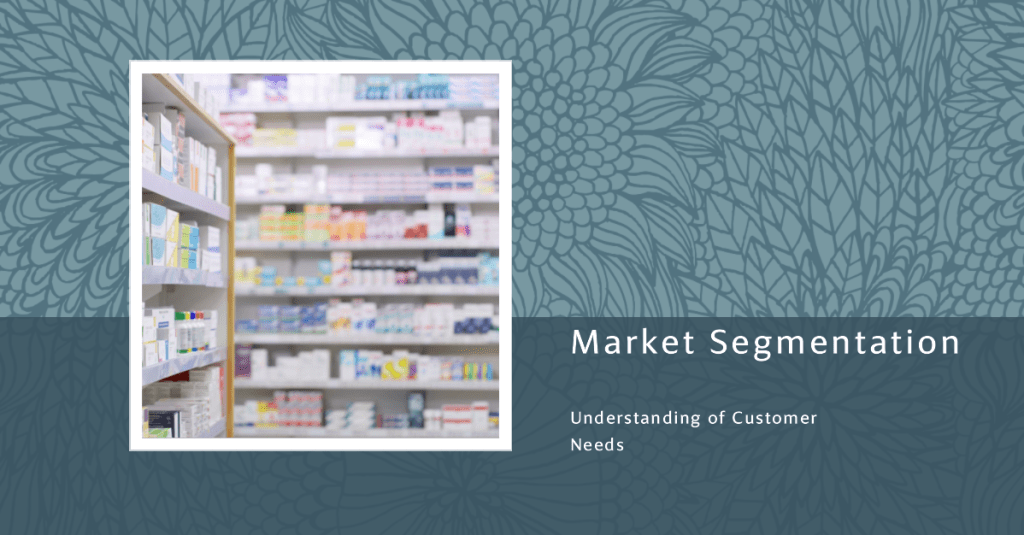
In today’s competitive healthcare landscape, pharmacies must adopt a strategic approach to attract and retain customers. Market segmentation is an essential tool that allows pharmacies to identify their target audience, understand their preferences and needs, and tailor their products and services accordingly. This article will explore the concept of market segmentation, the various types of segmentation strategies, and the benefits of implementing market segmentation in your pharmacy.
Understanding Market Segmentation
Market segmentation is the process of dividing a broad customer base into smaller, more homogeneous groups based on shared characteristics, preferences, or needs. The objective is to better understand the specific segments and develop customized marketing strategies that appeal to their unique requirements. This targeted approach can improve customer satisfaction, enhance brand loyalty, and ultimately drive business growth.
Types of Market Segmentation Strategies
There are several ways to segment the market, each providing a different perspective on your customer base. Here are some of the most common segmentation strategies:
- Demographic Segmentation: This strategy focuses on characteristics such as age, gender, income, education, and occupation. For example, a pharmacy may target young families, senior citizens, or high-income individuals, offering products and services tailored to their specific needs.
- Geographic Segmentation: This approach segments customers based on their location, such as city, region, or country. Pharmacies can tailor their offerings to the specific needs of a local community or adapt their marketing strategies to regional preferences.
- Psychographic Segmentation: This strategy takes into account customers’ lifestyles, values, interests, and personality traits. Pharmacies can target health-conscious individuals, for instance, by offering a wide range of wellness products and services.
- Behavioral Segmentation: This approach focuses on customers’ purchasing habits, product usage, brand loyalty, and price sensitivity. Pharmacies can use this information to develop targeted promotions, loyalty programs, or personalized product recommendations.
Benefits of Implementing Market Segmentation in Your Pharmacy
- Improved Customer Satisfaction: By understanding the unique needs and preferences of your target segments, you can tailor your products and services to better meet their expectations, resulting in increased customer satisfaction and loyalty.
- Enhanced Marketing Efficiency: Market segmentation enables pharmacies to develop targeted marketing campaigns that resonate with specific customer segments, improving the effectiveness of marketing efforts and maximizing return on investment.
- Increased Sales and Profitability: By catering to the specific needs of your target segments, you can increase customer retention and drive repeat business, ultimately boosting your pharmacy’s revenue and profitability.
- Better Product Development: Market segmentation can inform your pharmacy’s product development strategy, ensuring that new products and services align with the needs and preferences of your target audience.
- Competitive Advantage: By understanding and addressing the unique needs of specific customer segments, pharmacies can differentiate themselves from competitors and establish a strong market position.
Steps to Implement Market Segmentation in Your Pharmacy
- Conduct Market Research: Gather data on your current customer base and the broader market to identify potential customer segments. This can include demographic, geographic, psychographic, and behavioral information.
- Analyze and Define Your Segments: Use the data collected to identify and define distinct customer segments with shared characteristics, preferences, or needs.
- Develop Segment Profiles: Create detailed profiles for each identified segment, outlining their unique attributes, preferences, and requirements.
- Tailor Your Products and Services: Based on the segment profiles, adapt your product offerings, services, and pricing strategies to meet the specific needs of each segment.
- Develop Targeted Marketing Strategies: Craft customized marketing campaigns and promotional activities that resonate with each segment, using the appropriate channels and messaging to reach your target audience effectively.
- Monitor and Evaluate: Regularly assess the performance of your segmentation strategy and adjust it as needed based on changes in customer preferences, market trends, and business objectives. Use key performance indicators (KPIs) and customer feedback to gauge the success of your efforts and identify areas for improvement.
- Adapt to Market Changes: Stay informed about industry trends, regulatory changes, and customer preferences to ensure your segmentation strategy remains relevant and effective. Be prepared to adjust your approach as market conditions evolve and new opportunities emerge.
- Train Your Team: Educate your pharmacy staff about the market segmentation strategy and the specific needs of each target segment. This will help ensure a consistent, customer-focused approach across all areas of your pharmacy.
Conclusion
Market segmentation is a powerful tool that can help pharmacies develop a deeper understanding of their customers, allowing them to create targeted marketing strategies, tailor their product offerings, and ultimately drive business growth. By implementing a robust market segmentation strategy, your pharmacy can better meet the unique needs of your target audience, enhance customer satisfaction, and gain a competitive edge in the healthcare marketplace.
Tips
Food for Thought
Now, it’s your turn to share your thoughts and experiences.
- Have you implemented market segmentation in your pharmacy?
- What challenges have you faced, and what successes have you achieved?
Let’s discuss in the comments section below.
 pharmanaging