
Pharmacy management is a multifaceted discipline that requires a combination of medical knowledge, business acumen, and interpersonal skills. At the heart of this intricate system stands the pharmacist, a key player whose role extends far beyond dispensing medications. In this article, we delve deep into the pivotal role of a pharmacist in pharmacy management, shedding light on their diverse responsibilities and the impact they have on healthcare outcomes.
The Evolution of the Pharmacist’s Role
Historically, the primary responsibility of a pharmacist was to prepare and dispense medications. However, with the advancement of healthcare and the increasing complexity of medication therapies, their role has evolved significantly.
From Compounders to Care Providers
In the past, pharmacists were often seen as mere compounders of drugs. They manually mixed ingredients to create medications. Today, they are recognized as integral members of the healthcare team, providing patient-centered care and ensuring optimal medication therapy outcomes.
The Multifaceted Role in Pharmacy Management
Pharmacy management encompasses various tasks, from inventory management to patient counseling. The pharmacist’s role in this domain is vast and varied.
Medication Therapy Management (MTM)
One of the primary responsibilities of a pharmacist is MTM. This involves reviewing patients’ medication regimens, identifying potential drug interactions, and ensuring that patients are receiving the most effective treatments for their conditions.
Patient Counseling and Education
Pharmacists play a crucial role in educating patients about their medications. They provide information on dosage, potential side effects, and interactions with other drugs or foods. This education is vital for ensuring patient adherence to medication regimens and preventing adverse reactions.
Building Trust with Patients
Through consistent patient counseling, pharmacists build a rapport with patients. This trust is essential, as patients are more likely to adhere to medication regimens and seek advice when they trust their pharmacist.
Operational and Administrative Duties
Beyond direct patient care, pharmacists are also involved in the operational and administrative aspects of pharmacy management.
Inventory Management
Pharmacists ensure that the pharmacy is stocked with the necessary medications and supplies. This involves monitoring inventory levels, ordering new stock, and ensuring the proper storage of medications.
Regulatory Compliance
Pharmacy management requires adherence to various regulations and guidelines. Pharmacists are responsible for ensuring that the pharmacy complies with local, state, and federal regulations, including those related to medication storage, dispensing, and record-keeping.
Staff Training and Development
As leaders in the pharmacy, pharmacists often take on the role of training and mentoring staff. They ensure that all staff members are knowledgeable about current best practices and are equipped to provide the highest level of care to patients.
The Impact of Technology on Pharmacy Management
The advent of technology has brought about significant changes in pharmacy management, and pharmacists are at the forefront of this transformation.
Electronic Health Records (EHRs)
EHRs have revolutionized the way pharmacists access patient information. With real-time access to patient histories, pharmacists can make more informed decisions about medication therapies, leading to better patient outcomes.
Automated Dispensing Systems
These systems have streamlined the medication dispensing process, reducing errors and increasing efficiency. Pharmacists oversee these systems, ensuring their proper functioning and accuracy.
Telepharmacy
With the rise of telemedicine, pharmacists are now able to provide consultations and counseling remotely. This has expanded the reach of pharmacy services, especially in underserved areas.
The role of a pharmacist in pharmacy management is vast and multifaceted. From direct patient care to operational responsibilities, they play a pivotal role in ensuring the smooth functioning of the pharmacy and the optimal health outcomes of patients. As healthcare continues to evolve, the role of the pharmacist will undoubtedly continue to expand, further cementing their position as essential members of the healthcare team.

Advanced Roles of Pharmacists in Specialized Areas
As the healthcare landscape continues to evolve, pharmacists are taking on more specialized roles, catering to niche areas of medicine and pharmacy management. These advanced roles underscore the importance of pharmacists in delivering comprehensive healthcare services.
Clinical Pharmacy Specialists
Clinical pharmacy specialists are pharmacists who have undergone additional training to specialize in a particular area of medicine, such as cardiology, infectious diseases, or oncology.
Collaborative Drug Therapy Management (CDTM)
In CDTM, clinical pharmacy specialists work closely with physicians and other healthcare providers to manage drug therapy for patients. This collaborative approach ensures that patients receive the most effective treatments while minimizing potential drug interactions and side effects.
Research and Drug Development
Many clinical pharmacy specialists are involved in research, contributing to the development of new drugs and therapies. Their expertise is invaluable in clinical trials, where they help determine the safety and efficacy of new medications.
Pharmacists in Public Health
Pharmacists are increasingly playing a role in public health initiatives, from vaccination campaigns to disease prevention programs.
Immunization Services
Many pharmacies now offer immunization services, with pharmacists trained to administer vaccines. This has expanded access to vital vaccines, especially in areas with limited healthcare facilities.
Health Screenings and Preventive Care
Pharmacists often conduct health screenings, such as blood pressure checks and cholesterol tests. They also provide advice on preventive care, helping patients understand the importance of regular check-ups and healthy lifestyles.
Pharmacists in Academia and Training
With their vast knowledge and expertise, many pharmacists are drawn to academia, where they play a crucial role in training the next generation of pharmacists.
Curriculum Development
Pharmacists in academia contribute to curriculum development, ensuring that pharmacy students are equipped with the latest knowledge and skills.
Mentorship and Guidance
Senior pharmacists often take on mentorship roles, guiding junior pharmacists and students. Their insights and experiences are invaluable in shaping the careers of young pharmacists.
The Challenges Faced by Pharmacists
While pharmacists play a crucial role in healthcare, they also face several challenges in their day-to-day operations.
Keeping Up with Rapid Advancements
The world of medicine is ever-evolving, with new drugs and therapies constantly being developed. Pharmacists must stay updated with these advancements to provide the best care to patients.
Navigating Regulatory Changes
Pharmacists must navigate a complex web of regulations and guidelines. Changes in these regulations can pose challenges, requiring pharmacists to adapt quickly.
Addressing the Digital Divide
As technology becomes more integrated into pharmacy management, pharmacists must ensure that they are tech-savvy. However, there’s a digital divide, with some pharmacists struggling to adapt to new technologies.
Pharmacists play diverse and specialized roles in various areas of healthcare. From clinical specialists to public health advocates, their contributions are vast and significant. However, like all professionals, they face challenges that they must overcome to continue providing top-notch care. As the healthcare landscape continues to change, pharmacists will undoubtedly rise to the occasion, adapting and evolving to meet the needs of their patients.
The Future of Pharmacy Management and the Evolving Role of Pharmacists
The world of healthcare is in a state of constant flux, driven by technological advancements, changing patient needs, and global health challenges. As we look to the future, it’s evident that the role of pharmacists in pharmacy management will continue to evolve, adapting to these changes and playing an even more integral role in patient care.
Embracing Technological Innovations
The integration of technology into pharmacy management is not just a trend but a necessity. As we move forward, pharmacists will need to be at the forefront of adopting and implementing these innovations.
Artificial Intelligence (AI) and Machine Learning
AI and machine learning have the potential to revolutionize pharmacy management. From predictive analytics to personalized medication recommendations, these technologies can enhance the accuracy and efficiency of pharmacists’ work.
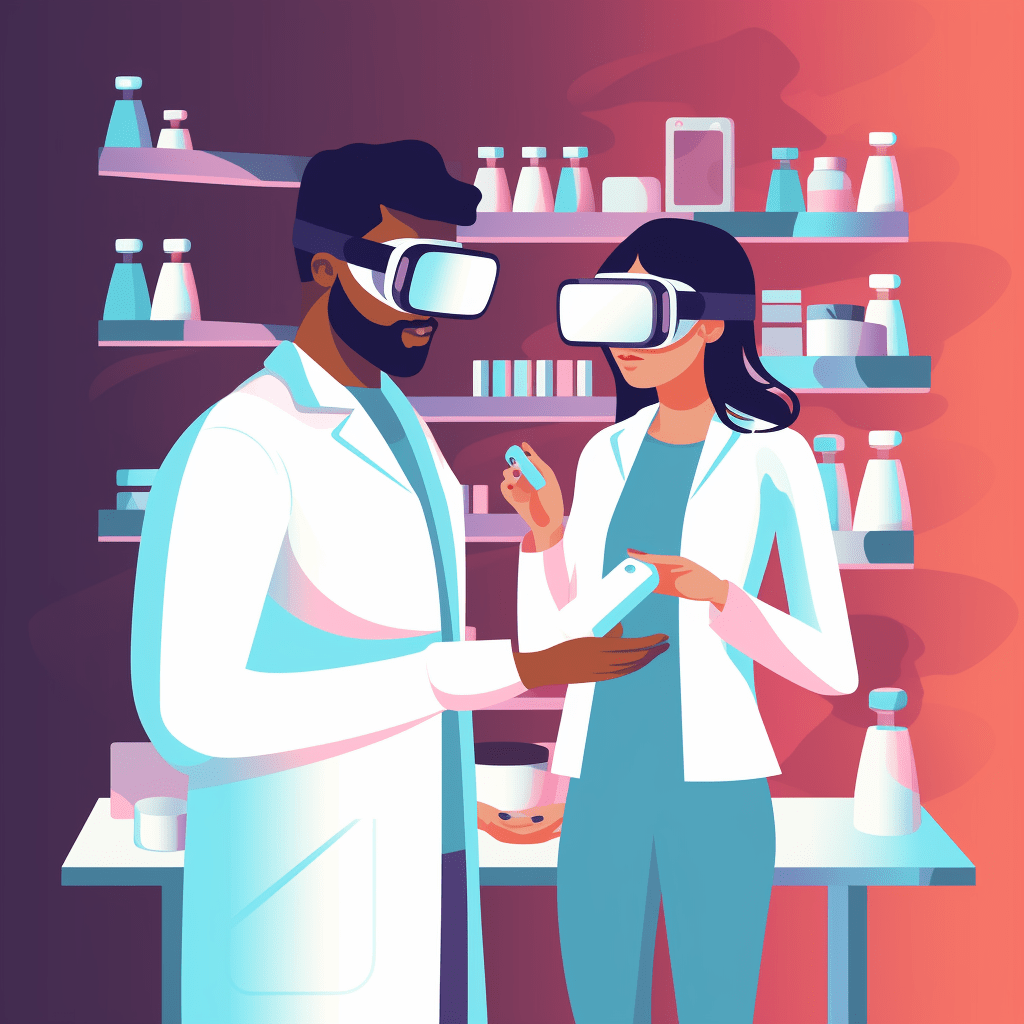
Virtual Reality (VR) in Patient Education
Imagine a world where patients can use VR to understand how a particular drug works in their body. Such immersive experiences can enhance patient understanding and adherence to medication regimens.
Global Health Challenges and the Pharmacist’s Role
Global health challenges, such as pandemics and antibiotic resistance, underscore the importance of pharmacists in disease prevention and management.
Pandemic Preparedness and Response
The recent COVID-19 pandemic highlighted the crucial role of pharmacists in public health responses. From dispensing medications to administering vaccines, pharmacists were on the front lines, ensuring communities remained safe and informed.
Tackling Antibiotic Resistance
Pharmacists play a key role in combating antibiotic resistance by ensuring appropriate antibiotic prescribing and educating patients on proper usage.
The Rise of Personalized Medicine
As we move towards a more personalized approach to healthcare, pharmacists will play a pivotal role in ensuring patients receive treatments tailored to their unique needs.
Genomic Testing and Drug Therapies
With advancements in genomic testing, pharmacists can help identify the most effective drug therapies for patients based on their genetic makeup, reducing adverse reactions and improving outcomes.
Holistic Patient Care
The future of pharmacy will see a shift towards more holistic patient care, with pharmacists considering not just the physical but also the mental and emotional well-being of patients.
Continuous Professional Development
To stay relevant and effective in their roles, pharmacists will need to prioritize continuous professional development, ensuring they are equipped with the latest knowledge and skills.
Lifelong Learning
The ever-evolving nature of healthcare means that pharmacists must commit to lifelong learning, regularly updating their knowledge and skills.
Collaborative Learning Environments
The future will see more collaborative learning environments where pharmacists, doctors, nurses, and other healthcare professionals learn from one another, enhancing the quality of patient care.
The future of pharmacy management is bright, with pharmacists poised to play an even more integral role in healthcare. From embracing technological innovations to tackling global health challenges and championing personalized medicine, pharmacists will continue to be at the heart of patient care. As we look to the future, one thing is clear: the role of the pharmacist is not just about dispensing medications but about enhancing the overall well-being of patients and communities.
Frequently Asked Questions (FAQ)
1. What is the primary role of a pharmacist in pharmacy management?
A pharmacist’s primary role in pharmacy management encompasses a range of responsibilities, from dispensing medications and providing patient counseling to overseeing operational tasks like inventory management and ensuring regulatory compliance. They act as a bridge between patients and medications, ensuring safe and effective use.
2. How has technology impacted the role of pharmacists in recent years?
Technology has significantly transformed the role of pharmacists. With the advent of Electronic Health Records (EHRs), pharmacists have real-time access to patient histories, enabling more informed decisions. Automated dispensing systems have streamlined medication dispensing, and telepharmacy allows pharmacists to provide consultations remotely. These technological advancements enhance efficiency and patient care.
3. Why is the pharmacist’s role crucial in tackling global health challenges like pandemics?
Pharmacists play a vital role in public health responses to global challenges. During pandemics, for instance, they are involved in dispensing essential medications, administering vaccines, and providing accurate information to the public. Their expertise ensures that communities receive timely and appropriate care.
4. How is personalized medicine changing the pharmacist’s approach to patient care?
Personalized medicine tailors treatments to individual patient needs, often based on genetic information. Pharmacists, with their knowledge of drug interactions and therapies, can recommend medications that align with a patient’s genetic makeup. This approach reduces adverse reactions and ensures more effective treatments.
5. How can patients benefit from the evolving role of pharmacists in healthcare?
As pharmacists take on more specialized and holistic roles, patients receive more comprehensive care. From personalized medication recommendations to mental and emotional well-being considerations, the evolving role of pharmacists ensures that patients receive well-rounded care that addresses their unique needs.
 pharmanaging